
Get Livestock Fencing Installation in Fort Lauderdale, FL
Livestock fencing installation services help property owners in Fort Lauderdale, FL, and nearby areas secure livestock, prevent escapes, and define boundaries with various fencing options.
Livestock fencing installation services are a practical solution for property owners in Fort Lauderdale, FL seeking to establish secure boundaries for their animals or livestock. Proper fencing helps prevent animals from wandering off the property, reducing the risk of accidents and ensuring they stay within designated areas. Additionally, a well-installed fence can enhance the overall functionality of a property by creating clear separations between different zones, such as pastures, gardens, or residential spaces.
Beyond safety and practicality, livestock fencing offers benefits like increased durability and reduced maintenance over time. High-quality fencing materials are designed to withstand the local climate, including humidity and storms, providing long-lasting protection. An attractive fence can also boost curb appeal, adding to the property's visual appeal and potentially increasing its value. Working with experienced local contractors ensures that the fencing installation meets the specific needs of the property, offering peace of mind and reliable performance.
- Pasture Enclosure - needed when farmers or ranchers require secure boundaries to contain livestock on large grazing areas.
- Barnyard Fencing - suitable for farms or rural properties seeking to define animal areas adjacent to barns or stables.
- Ranch Fencing - essential for large properties in areas like Fort Lauderdale, FL to manage and safeguard livestock across extensive land.
- Arena or Training Pen Fencing - used when constructing designated spaces for livestock training, exercising, or competitions.
- Perimeter Fence Installation - required for property owners aiming to secure their land from wildlife intrusion or unauthorized access.
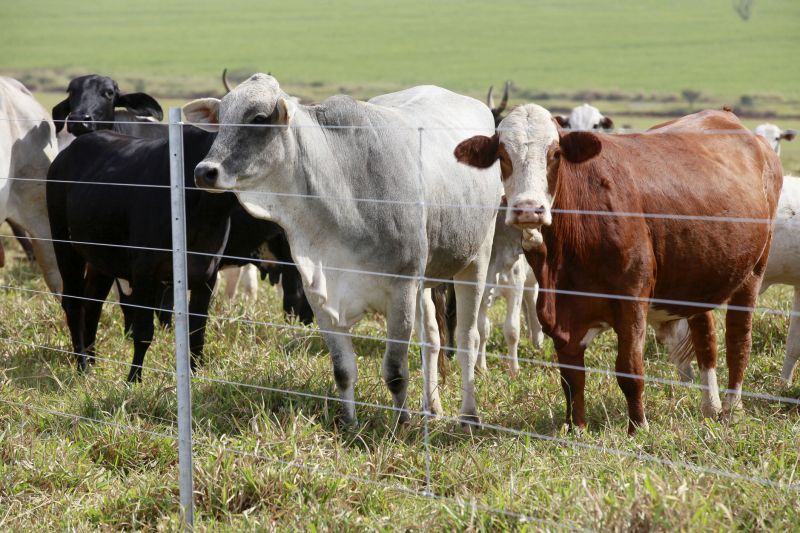
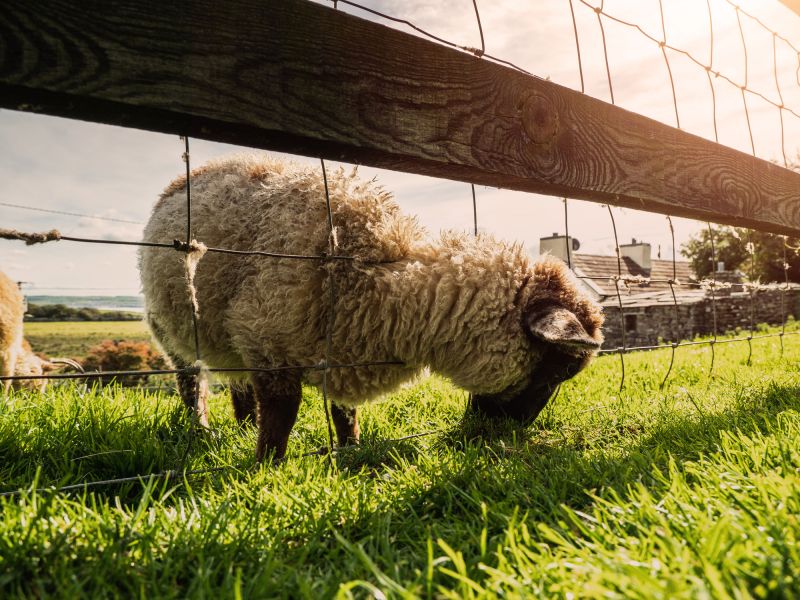
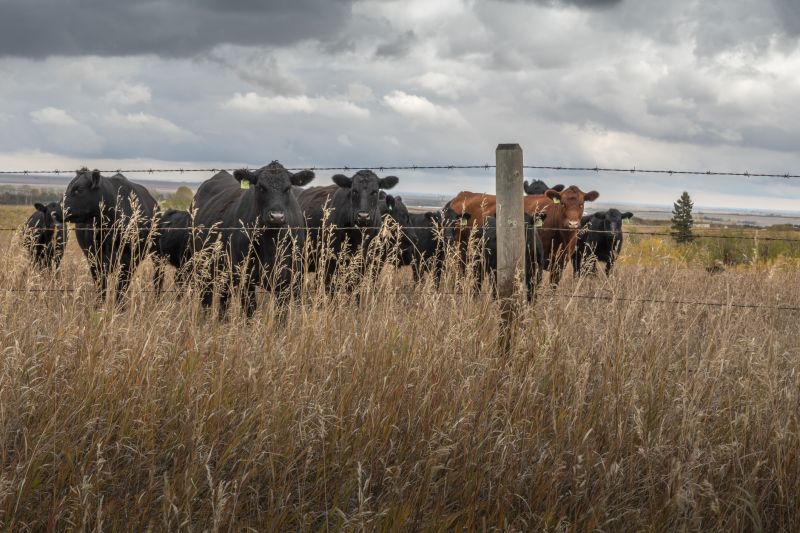
Livestock fencing installation services involve the setup of barriers designed to contain animals such as cattle, horses, sheep, and goats. These services typically include selecting appropriate fencing materials, preparing the property boundaries, and installing the fencing structures to ensure durability and animal safety. The process may also involve building gates and access points to facilitate movement and management of livestock. Professional installers assess the specific needs of each property to recommend fencing solutions that are effective, long-lasting, and suitable for the type of animals being contained.
One of the primary issues livestock fencing helps address is preventing animals from wandering off the property, which can lead to safety hazards, property damage, or loss of livestock. Proper fencing also helps protect animals from external threats such as predators or trespassers. Additionally, well-installed fences can reduce the time and effort needed for daily animal management, making it easier for property owners to maintain control over their livestock. In some cases, fencing can also serve to delineate property boundaries clearly, avoiding disputes with neighbors or other land users.
Properties that typically utilize livestock fencing services include farms, ranches, equestrian facilities, and rural properties with significant outdoor space. These properties often require larger, more robust fencing systems capable of withstanding the elements and the physical activity of animals. Residential properties with small-scale livestock or hobby farms may also seek fencing installation to secure their animals and define property lines. The choice of fencing type and installation method depends on the specific property layout, the types of animals, and the level of security or containment needed.
Professional livestock fencing services ensure that the installation process adheres to best practices for durability and safety. Contractors work with property owners to determine the most suitable fencing materials, such as wood, wire, vinyl, or electric fencing, based on the animals and property conditions. They also handle the groundwork and installation, ensuring the fences are properly anchored and tensioned for long-term performance. Contacting local fencing specialists can help property owners find the right solutions to meet their livestock containment needs efficiently and effectively.
The overview below groups typical Livestock Fencing Installation projects into broad ranges so you can see how smaller, mid-sized, and larger jobs often compare in Fort Lauderdale, FL.
In many markets, a large share of routine jobs stays in the lower and middle ranges, while only a smaller percentage of projects moves into the highest bands when the work is more complex or site conditions are harder than average.
Perimeter Fencing Costs - The cost for installing perimeter fencing typically ranges from $8 to $15 per linear foot, depending on materials and terrain. For example, a 200-foot fence might cost between $1,600 and $3,000. Local pros can provide estimates based on specific project requirements.
Material Expenses - Material costs vary widely; wire fencing may cost around $2 to $5 per foot, while wooden or vinyl fencing can range from $10 to $30 per foot. These prices influence the overall project budget and are affected by quality and design choices.
Labor Charges - Labor fees for livestock fencing installation generally range from $40 to $80 per hour, with total costs depending on fence length and complexity. A standard installation might take several hours to a few days, affecting overall expenses.
Additional Costs - Extra expenses such as gates, posts, or permits can add to the total cost, often ranging from $200 to $1,000 or more. Local service providers can offer detailed quotes that include these potential additional charges.
Actual totals will depend on details like access to the work area, the scope of the project, and the materials selected, so use these as general starting points rather than exact figures.
Barbed Wire Fencing - local fencing contractors can install durable barbed wire fences suitable for livestock containment and property boundaries.
Electric Livestock Fencing - experienced service providers offer electric fencing solutions to keep animals safely within designated areas.
Wood Panel Fencing - local pros can set up wooden fencing options that provide a secure and visually appealing enclosure for livestock.
Chain Link Fencing - nearby contractors can install chain link fences that offer strength and visibility for livestock enclosures.
Field Fence Installation - local specialists are available to install field fencing designed specifically for agricultural livestock management.
Custom Livestock Fencing - experts can design and install tailored fencing solutions to meet specific needs for different types of livestock.
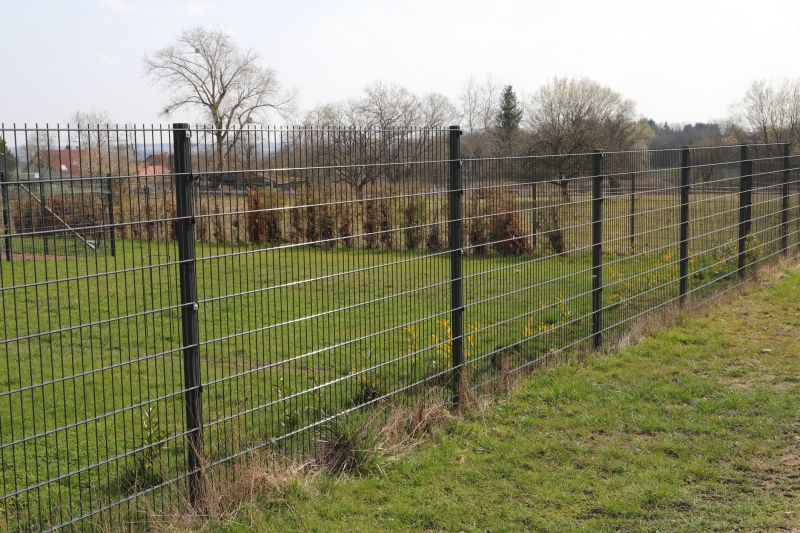
When choosing a professional for livestock fencing installation, it’s important to consider their experience with similar projects. Experienced local contractors are more likely to understand the specific requirements of livestock enclosures, including the best materials and techniques to ensure durability and safety. Homeowners should look for providers with a proven track record in livestock fencing, which can often be demonstrated through references or portfolios of past work, helping to gauge their familiarity with different fencing styles and challenges.
Clear communication and written expectations are essential when working with fencing contractors. Homeowners are encouraged to discuss project details thoroughly, including scope, materials, and timelines, and to request written estimates or agreements. This helps prevent misunderstandings and ensures that both parties have a shared understanding of the work. Reputable local pros will be transparent about their process and willing to provide detailed information, making it easier to compare options and select a provider that aligns with project needs.
Reputable references and strong communication are key indicators of a reliable livestock fencing service provider. Homeowners should seek out local contractors with positive feedback from previous clients, which can provide insight into their professionalism and quality of work. Good communication throughout the project ensures that any questions or concerns are addressed promptly, fostering a smoother installation process. By focusing on these factors-experience, clear expectations, and reputable references-homeowners can better evaluate local pros and find a fencing partner suited to their livestock enclosure needs.
Property owners in Fort Lauderdale, FL use Livestock Fencing Installation services for practical projects around their homes and businesses. The sections below highlight everyday jobs and straightforward project options.
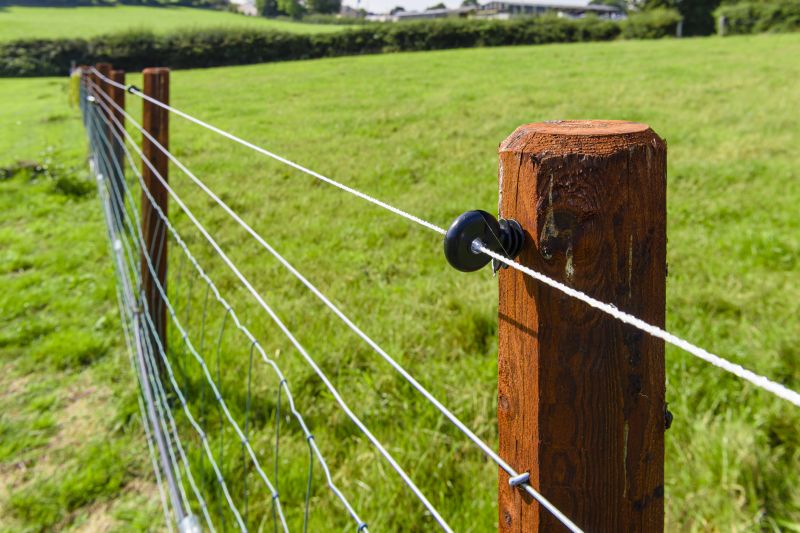
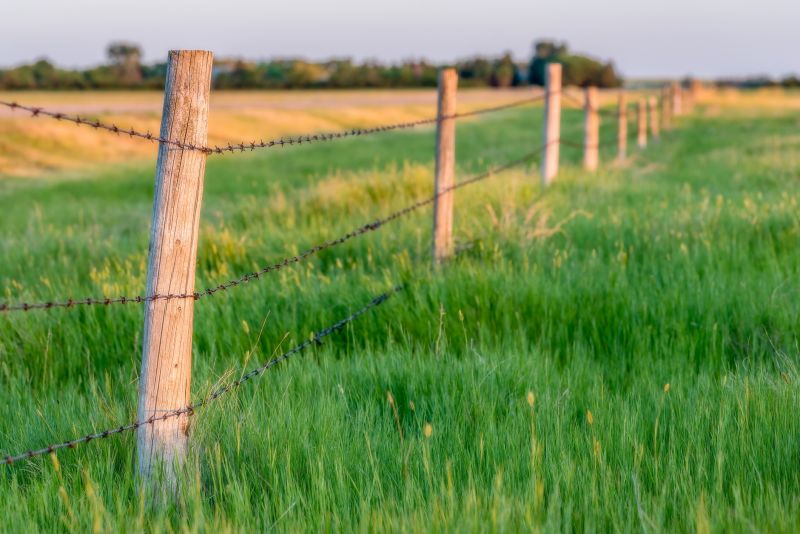
Livestock fencing installation services are commonly sought by property owners in Fort Lauderdale, FL who need to contain animals such as horses, cattle, or goats. These fences help maintain livestock within designated areas, preventing them from wandering onto roads or neighboring properties. Additionally, fencing can serve to protect gardens and landscaping from animals that may cause damage, providing a clear boundary for livestock and pets alike.
Property owners may also look for fencing services to enhance privacy and security around their land. Fences can act as a barrier to deter trespassers and unwanted visitors, while also defining property lines clearly. Whether for agricultural purposes or to create a safe space for pets and livestock, local fencing contractors in Fort Lauderdale can assist with the installation of durable, functional livestock fences suited to the specific needs of each property.
What types of fencing materials are commonly used for livestock fencing? Common materials include wire mesh, wood, vinyl, and electric fencing, each suitable for different livestock types and property needs.
How long does livestock fencing installation typically take? Installation times can vary based on the size and complexity of the project, with local contractors providing estimates during consultations.
What factors should be considered when planning livestock fencing? Important factors include livestock type, property layout, security needs, and local regulations, which local fencing professionals can help assess.
Are there any regulations or permits required for livestock fencing? Regulations and permit requirements depend on local ordinances; consulting with local service providers can clarify necessary approvals.
How can I ensure the fencing is secure and durable? Working with experienced fencing contractors can help select appropriate materials and installation techniques for long-lasting security.
Fencing Material Options
- Explore a variety of fencing materials such as wood, wire, and vinyl to suit different livestock needs. Local service providers can assist in selecting durable options suitable for your property.Custom Fencing Design
- Professional fencing contractors can design custom solutions that effectively contain livestock while complementing the landscape. Contact local experts to discuss your specific fencing requirements.Installation Services
- Skilled installers can set up livestock fencing efficiently, ensuring secure enclosures for your animals. Reach out to local pros for installation tailored to your property’s layout.Fence Repair & Maintenance
- Local fencing specialists offer repair and maintenance services to keep livestock enclosures secure and functional over time. Connect with nearby providers for ongoing fencing support.
Considering Livestock Fencing Installation for a property in Fort Lauderdale, FL? The sections above highlight common project types, practical options, and details that often shape the scope of work.
When you are ready, use the quote form to share a few details about your project. Local pros can review the basics and respond with options that match what you have in mind.